The Wallet Hover: How the Pub Round Became Britain’s Pettiest Meme Genre
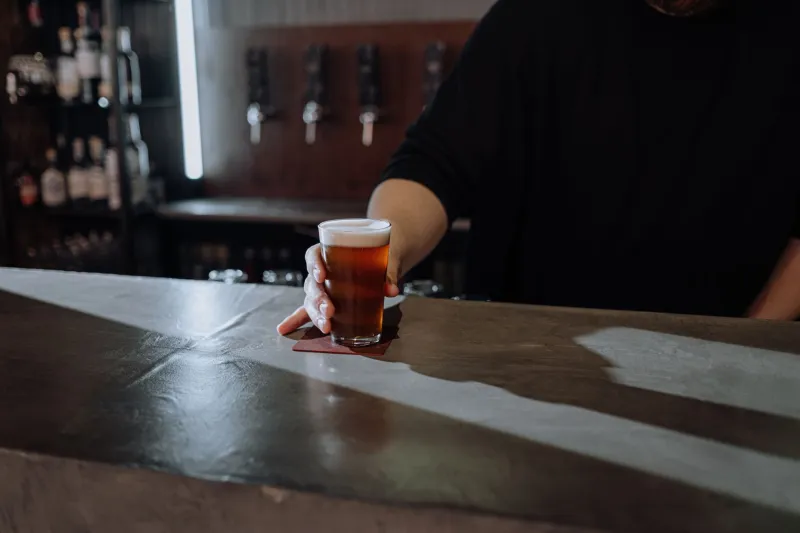
There are few British rituals more sacred, more confusing, or more quietly weaponised than the pub round. It is a system built on generosity, memory and the unspoken threat of social exile. And in 2026, it has become one of the internet’s most dependable comedy formats: a group-chat drama performed in real time, with pints, crisps and an unpaid £6.40 as its recurring cast.
The round is simple in theory. One person buys a drink for everyone. Someone else buys the next. Repeat until somebody starts speaking in a slightly too-loud voice about “having an early night”. In practice, it is a delicate psychological operation involving eye contact, timing, pocket-patting and the kind of passive aggression that could power a small market town.
The choreography of the fake reach
Every pub round begins with a performance. The wallet hover. The half-rise from the chair. The hand that moves towards a pocket but never quite arrives, like a sat-nav recalculating in real time.
“No, no, I’ll get these,” says the mate who has already calculated that his round would cost £23.80 and that he has £14 in his account until Thursday. It is not a lie, exactly. It is theatre. And the group chat knows the script.
In 2026, these moments are memed before the ice has melted. A short clip of a hand hovering over a wallet, captioned “me offering to get a round knowing full well I’m on the Spoons app until payday”, does the rounds in minutes. The joke is not that anyone is skint. The joke is the choreography: the fake reach, the grateful refusal, the relief that arrives a beat too quickly.
There is a particular British genius in making a refusal sound like a favour. “Honestly, let me get this one” is often less an offer than a request to be told no. The meme format simply holds up a mirror to the dance floor and says: we all know the steps.
The mate who vanishes at the bar
No round-meme canon is complete without the disappearing act. One member of the group is sent to the bar. They are never seen again. Some say they are still there, staring at the pumps, waiting for a sign that never comes.
The vanishing mate is a legendary figure in British group chats. They offered to help carry the drinks. They “just popped to the loo”. They are now in the beer garden having a deep conversation with a stranger about air fryers. Meanwhile, back at the table, four people are taking turns to say “I think it’s your round, actually” in increasingly strained tones.
As meme fodder, the disappearing mate is gold. The format writes itself: a photo of an empty chair, a half-finished packet of salt and vinegar crisps, and the caption “when he said he’d get the next one and then joined a pub quiz team in the other room”. It is not just funny because it happens. It is funny because it will happen again, probably this Friday.
The round exposes something deeply British: we would rather simmer in silence for forty minutes than directly ask a friend where they went. The group chat becomes the pressure valve. The meme becomes the receipt.
Contactless tap anxiety
The pub round used to be a cash economy. Now it is a contactless tap, a beep and a silent prayer. In 2026, the card machine is a stage prop for a very modern kind of anxiety: the terror of being the person whose payment declines in front of a queue of strangers and a barman who has seen everything.
The memes write themselves. A close-up of a card reader with the caption “the £6.40 that could end a friendship”. A slow zoom on a mate saying “it’s not going through, hang on” while the entire pub pretends not to listen. A reaction image of a pint glass with the text “when the round costs more than your electricity direct debit”.
What makes this funny is the stakes. A declined card is not just a payment error. It is a public statement about your life choices, your bank balance and your ability to participate in the sacred ritual of standing in a pub holding a tenner you do not have. The round has always been about trust. Contactless just made the evidence instant.
The devastating screenshot of an unpaid £6.40
Then there is the group-chat aftermath. The round is over. The pints are drunk. The bill has been split, or not split, or “sorted later”, which in British means “never”. And then it arrives: the screenshot.
A Monzo request. A note that says “for the pint x” with the cold precision of a parking ticket. A bank transfer that never comes. A reply that reads “thought I got the last one?” followed by three laughing emojis and a silence so loud it could be heard in the next county.
The £6.40 screenshot has become a meme genre of its own. It is not about the money. It is about the principle. It is about the person who conveniently forgets every round they owe and remembers every round they bought. It is about the mate who says “I’ll get you back” with the same energy as a politician promising to fix potholes.
And because it is 2026, the whole thing is shareable. The screenshot is cropped, the names are redacted, and the caption lands: “the audacity is free, the pint was £6.40”. The group chat becomes a courtroom. The meme is the verdict.
Why the round keeps giving
The pub round works as meme material because it is universal and petty in equal measure. It does not require a celebrity, a scandal or a viral stunt. It requires a table, a few mates and the unshakeable belief that you are the only person in the group who ever buys a drink.
It also captures something specific about British social life: the gap between what we say and what we mean. “Get them in” sounds generous. “I’ll get the next one” sounds like a promise. “No, put your money away” sounds polite. The memes simply translate the subtext into a language everyone can share.
In a year when the internet is increasingly loud and strange, the pub round remains a reliable little comedy engine. It is not glamorous. It is not particularly deep. But it is ours. And as long as there are pints, wallets and mates who vanish at the bar, the group chat will have something to say about it.
So next time someone offers to get a round, watch the wallet hover. Watch the eyes. Watch the mate who suddenly needs the loo. You are not just witnessing a social ritual. You are watching a meme being made in real time, one fake reach at a time.