The Parish Council Is Posting Through It: Inside Britain’s Unexpected Council-Account Comedy Boom
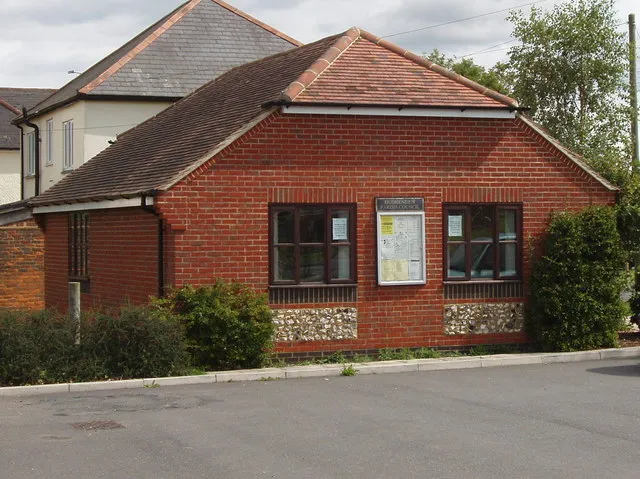
Photo: David Hawgood, CC BY-SA 2.0, via Wikimedia Commons
Local government has spent years trying to sound human online. In 2026, some of it has finally succeeded — and the results are far funnier than a ratepayer has any right to expect. The modern council account is no longer just a digital noticeboard for bin collections and planning applications. It is a broadcaster, a mood, and occasionally a niche meme publisher with a very specific audience: people who know exactly which roundabout is closed and would like to make a joke about it.
This is not about politicians chasing clout. It is about the quiet rise of social media staff who understand that a local authority’s voice is strongest when it sounds like the group chat rather than the annual report. Roadworks, library closures and council tax are not naturally hilarious. But put them through the right account — one with timing, restraint and a working knowledge of reaction images — and local democracy starts producing content.
From Press Release to Punchline
The old council post had a predictable shape: formal salutation, three paragraphs of context, a link nobody clicked, and a stock photo of a smiling person in a high-vis jacket. The new council post has a different shape. It leads with the joke, delivers the information, and then gets out of the way. It may use a meme format, but it does not let the meme eat the message. The best accounts understand a simple rule: the joke is the wrapper, not the parcel.
That shift has been accelerated by hiring. More public bodies now employ social media staff who actually use the internet for fun, not just for crisis communications. They know why a reaction image lands, why a caption should be shorter than a council meeting, and why ‘we regret to inform you’ is funnier when it is followed by an actual date, time and diversion route. The result is a strange but welcome genre: local democracy as entertainment, with a service update tucked inside.
The Three Genres of Council Meme Posting
The ‘We Regret to Inform You’ Post
This is the breakthrough format. It takes the language of official disappointment — the apologetic notice, the regretful closure, the deeply sorry roadworks — and pairs it with an image that acknowledges the absurdity. A traffic cone looking personally betrayed. A library door with main-character energy. A bin lorry photographed like a moody album cover. The post says: yes, this is inconvenient, and yes, we know you are going to make a joke about it, so we have made one first.
The Passive-Aggressive Service Update
This is the council-account equivalent of a sigh in a cardigan. It is not rude. It is simply firm. A library service reminding borrowers that the book does not become theirs after 21 years. A transport authority noting that the lift is broken and that this is not a personal attack on anyone’s Tuesday. A waste team explaining, with admirable calm, what can and cannot go in the recycling bin. The humour comes from the gap between the politeness and the exasperation. It works because every British internet user recognises the tone. It is the digital equivalent of ‘per my last email’.
The Niche Local Reaction Image
This is the most localised and least transferable genre. It only makes sense if you know the area. A photo of a specific bus shelter. A landmark roundabout. A statue that has become a running joke. A leisure centre car park with a reputation. The account uses these images as reaction shots, and the audience responds because it feels seen. This is not national meme content. It is hyperlocal shorthand, and that is exactly why it lands. A meme about a council tax rise is universal. A meme about the cursed pedestrian crossing outside the retail park is a postcode-specific inside joke.
Why It Works (When It Works)
Council accounts are trusted in a way that brands are not. They are not selling anything. They are delivering information people actually need. That gives them permission to be funny, but only if the funny does not get in the way of the useful. The best posts are short, clear and genuinely informative. The joke is a delivery mechanism, not a substitute for the service update. When an account gets that balance right, it can turn a road closure into a shareable moment without turning the road closure into a mystery.
There is also a group-chat quality to local life. People already joke about bin day, parking, potholes and the library being closed on a Wednesday. A council account that joins in feels less like an institution and more like a neighbour with admin privileges. That is a powerful thing. It does not fix the roadworks, but it does make the roadworks slightly more bearable.
The Risk Ledger
A public body trying to be funny is always one post away from a misfire. The risks are real. A joke can land as flippant during cuts to services. A meme can feel like it is mocking the people who rely on those services. A caption can be screenshot without its context. A reply can become a pile-on. And there is a fine line between sounding human and sounding like a brand trying to be your mate.
The safest accounts avoid jokes about vulnerable people, avoid punching down, and avoid using humour to dodge accountability. They do not use a meme to announce a tragedy, a serious safety failure or a controversial decision. They keep the information accessible. They use alt text. They do not make the joke the only thing in the post. And they remember that a council account is still a public service, even when it is posting a picture of a traffic cone with emotional damage.
The 2026 Podium (Highly Unofficial)
In the spirit of the genre, here is the MemeGallery UK council-account podium for 2026 — less a ranking of specific accounts than a celebration of the formats currently doing the heavy lifting.
Best ‘We Regret to Inform You’ Post: the roadworks announcement that pairs a sincerely apologetic caption with a reaction image of a cone staring into the middle distance. It says everything about the human condition and nothing about the diversion route, which is why the diversion route is in the next post.
Best Passive-Aggressive Service Update: the library service reminding borrowers that a book is not a long-term relationship. The tone is immaculate. The information is clear. The shame is optional but present.
Best Niche Local Reaction Image: the transport authority using a photo of a specific bus shelter to announce a delay. If you know, you know. If you do not, you are still informed. That is the sweet spot.
The Real Test
The council-account comedy boom is not really about virality. It is about whether public bodies can communicate like people without forgetting they are public bodies. The accounts that win in 2026 are not the ones with the most followers or the edgiest memes. They are the ones that make a road closure easier to understand, a library update easier to read, and a council tax reminder slightly less painful to encounter on a timeline.
That is the unlikely legacy of the feral council account: not a collapse in standards, but a recalibration of tone. Local democracy has discovered that it can be funny. The trick is doing it without forgetting what it is for. And if a traffic cone has to become a minor internet celebrity along the way, so be it.