Ruler of the Road: The Unwritten Rules of Britain’s Pothole-Posting Underground
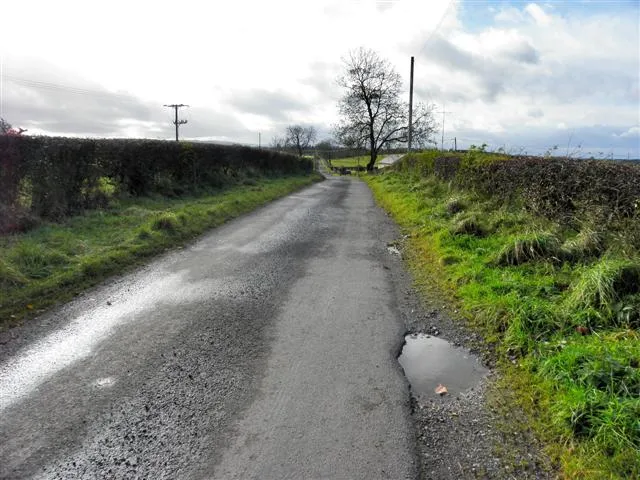
Photo: Kenneth Allen , CC BY-SA 2.0, via Wikimedia Commons
Britain has two seasons: winter and pothole season. In 2026, the second one appears to run from January to December, with occasional bank holiday extensions. And because we are a nation that processes infrastructure failure through humour, the humble pothole has become a fully fledged meme genre — part local news, part evidence pack, part passive-aggressive theatre.
You know the post. A photo of tarmac that looks like it has been attacked with a ice cream scoop. A ruler balanced across the crater. A caption along the lines of ‘this is on the B-road near the garden centre, avoid or lose a wheel’. Then, within minutes, the comments arrive: the one-uppers, the council-sceptics, the person who claims to have reported it in 2019 and received a reference number that has since become a family heirloom.
This is not just complaining. This is local infrastructure comedy, and it has rules. Unofficial ones, obviously. We’re British.
The Ruler Photo Is the Genre’s Handshake
No pothole post is complete without a scale reference. The ruler is the classic, but acceptable alternatives include a tape measure, a size-nine boot, a Standard UK Banana or, in moments of real flair, a child’s scooter placed beside the hole for scale. The ruler photo says: I am not exaggerating. I am measuring. This is evidence.
It is also a status symbol. A pothole measured at ‘about four inches’ is a polite concern. A pothole measured at ‘eleven inches deep and I lost the ruler’ is a local legend. The ruler transforms a moan into a document. It gives the post a whiff of officialdom without any of the paperwork.
And yet the ruler is never quite the point. The point is the performance. The pothole is the stage; the ruler is the prop; the comment section is the audience. Somewhere in the background, a council highways team is probably eating a sandwich and pretending not to see the notification.
That’s Not a Pothole, This Is a Pothole
Every pothole post triggers a competitive streak that would embarrass a village fête marrow competition. Someone will always reply with a bigger hole. ‘That’s not a pothole, love, that’s a postcode.’ ‘You could keep a koi carp in that.’ ‘My suspension sends its regards from the A-road near the retail park.’
The one-upmanship is the engine of the genre. It turns a singular gripe into a rolling local atlas of decay. Suddenly you are not just looking at one bad bit of road; you are being taken on a tour of the entire council’s failings, crater by crater, with each commenter claiming the title of Worst Road in Britain. It is deeply petty and oddly communal.
The best entries are specific. ‘Opposite the Toby Carvery, just after the mini-roundabout, you’ll know it by the wheel trim in the hedge.’ Vague rage is forgettable. Specific rage gets shared. If your pothole has a landmark, a nickname or a body count of alloys, you are already winning.
The ‘Reported It Ages Ago’ Liturgy
Then comes the sacred comment. The one that arrives like a vicar at a funeral: ‘I reported that ages ago. Still waiting.’ Often accompanied by a screenshot of a council form, a reference number, or a blurry photo of an email confirmation from a previous decade.
This comment is not really about the pothole. It is about the shared belief that reporting something to a council is a bit like posting a letter into a wishing well. You do it, you feel briefly civic, and then you get on with your life while the hole remains. The ‘reported it ages ago’ comment is the group chat’s way of saying: we have done the correct thing, and the correct thing has been ignored, so now we shall be funny about it.
Some posts go further and become full council-report memes: ‘Dear Highways, I see you’ve resurfaced a road nobody uses while my street looks like the surface of the moon. Kind regards, a taxpayer.’ The tone is polite rage in a cardigan. It is very British. It is also very shareable, because everyone has a council and everyone has a road that could double as a trench.
Dashcam Clips: The Action Sequence
If the ruler photo is the still image, the dashcam clip is the blockbuster. A car approaches a puddle that is secretly a crevasse. There is a thud. A hubcap achieves independence. The driver says a word that gets bleeped by the group admin. The caption reads: ‘Avoid this road unless you hate your tracking.’
Dashcam pothole clips work because they add stakes. A photo says ‘this is bad’. A video says ‘this is bad and it is coming for your Ford Fiesta’. They also provide the genre with its own sound effects: the clang, the scrape, the hollow crunch that sounds expensive. In 2026, a well-timed dashcam clip can do more for road safety awareness than a thousand stern letters to the local paper.
Just remember the rules: blur the number plates, don’t film while driving, and don’t stand in the middle of a live carriageway to get the perfect angle. The meme is not worth becoming a cautionary tale yourself.
Why Road-Surface Rage Is So Shareable
Potholes are the perfect meme subject because they are universal, local and almost entirely non-partisan. You can be left, right, centre, or simply someone who owns a wheel. Everyone hates a crater. Everyone has a story about one. The pothole does not care about your politics; it will ruin your suspension regardless.
They are also a safe outlet for a very British kind of annoyance. We are not a nation that enjoys confrontation, but we will absolutely post a photo of a hole in the road with the caption ‘sort it out’. It is a complaints procedure with a punchline. It allows us to be furious without ever raising our voices, and to feel part of a community without actually speaking to our neighbours.
And, crucially, pothole posts are useful. They warn people. They name roads. They occasionally shame a council into action. The humour is not a distraction from the problem; it is how we cope with the problem while waiting for the problem to be fixed by someone who is probably on a training course.
How to Meme Your Own Street’s Worst Crater
If you are tempted to enter the genre, a few practical notes. First, safety. Do not stand in a live road to photograph a pothole. Do not lie down next to it. The internet does not need a martyr; it needs a ruler photo taken from a sensible angle on the pavement.
Second, be specific but not reckless. Mention the road, the nearest landmark and the approximate size. Avoid posting your exact address, your neighbour’s number plate or a photo of a child’s face. The goal is local comedy, not a data protection seminar.
Third, commit to the bit. If you use a ruler, make sure it is actually in shot. If you use a banana, acknowledge the absurdity. If you claim the pothole has been there since 2017, be prepared for someone to say it was there in 2014. This is a competitive sport.
Fourth, keep the tone light. The best pothole posts are furious but funny. They mock the situation, not the person on the other end of the council email. There is a line between satire and a formal complaint, and the funniest posts know exactly where it is.
The Serious Bit, Briefly
Underneath the jokes, there is a real issue. Potholes damage cars, injure cyclists and cost councils millions in repairs and compensation claims. Highways teams are stretched, budgets are tight and the weather keeps opening new craters. The memes are a coping mechanism, not a solution.
But that is precisely why they work. Laughing at a pothole is cheaper than fixing it, and far more shareable than a council report. In 2026, the pothole post has become a small act of local journalism, a public service announcement and a group-chat in-joke all at once.
So next time you see a crater on your street, resist the urge to simply tut. Get the ruler. Find the light. Take the photo. You are not just complaining about a road; you are contributing to Britain’s fastest-growing infrastructure comedy. Just mind the gap. And the alloy.