From 'Cheers Drive' to 'Alright Duck': Why Local Slang Is Britain's Real Meme Export
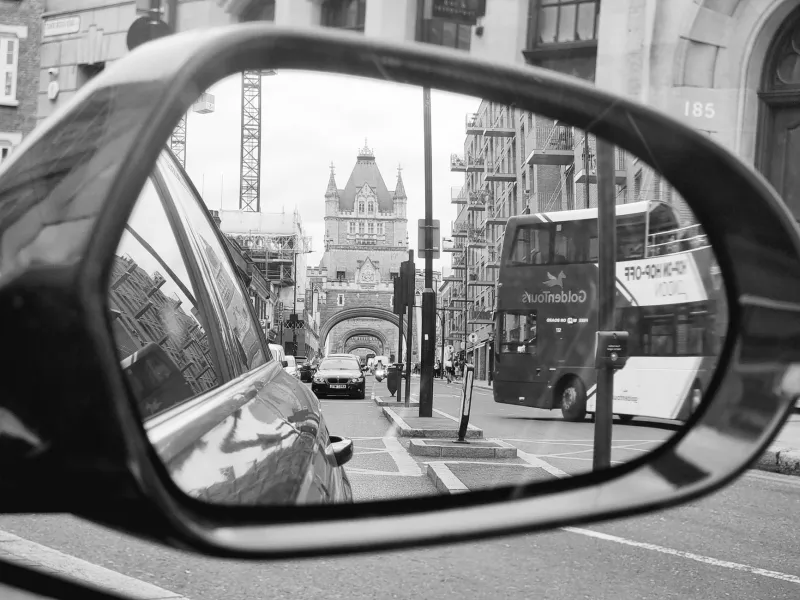
Britain has always been a patchwork of accents, idioms and passive-aggressive ways to say 'you what?'. In 2026, that patchwork has become the internet's favourite meme format. The phrase 'cheers drive' — a bus passenger's farewell that sounds like a toast and a threat — is no longer just a local quirk. It is a caption, a reaction, a personality test. Regional British slang has become viral currency, and the memes are better for it.
From Local Bus to Global Feed
The journey is simple. Someone films a bus driver saying 'cheers drive' in a thick accent. Someone else adds a caption: 'POV: you've just thanked the driver and now you're emotionally bonded for life.' The clip travels from a local Facebook group to TikTok to a group chat in Leeds. By the time an American asks what it means, the answer is already a meme: 'It means he's a good lad, Sharon.' The phrase works because it is specific. It has a postcode. It smells of upholstery and rain.
Why Specificity Wins
Generic British memes rely on tea, queues and weather. Good ones rely on place. 'Alright duck' lands differently in Stoke than in Surrey. 'Pet' is a term of endearment in the North East and a confused look in a London office. 'Bab' belongs to the Black Country like a pork scratching's cousin. When a meme uses the right word, it does not just get a laugh; it gets a nod. The nod is the real engagement metric. It says: you are one of us, or at least you have watched the right TikTok.
The New British Meme Vocabulary
We are seeing a full lexicon emerge. 'Mardy' is a mood, a lifestyle and a reply to anyone who suggests a walk. 'Ginnel', 'snicket' and 'twitten' are all alleys, and the memes about them are fiercely territorial. 'Barm', 'cob' and 'breadcake' are the same thing until someone starts a war in the comments. 'Cheers drive' has become the polite sign-off for everything from a bad shift to a cancelled train. These words are not just cute. They are shorthand for values: understatement, manners, and the belief that a hot drink can fix most administrative disasters.
The American Translation Problem
The funniest memes are the ones that need a glossary. An American sees 'cheers drive' and assumes it is a toast to a car. A British reader sees a whole social contract: you thank the driver, the driver nods, everyone pretends the bus was on time. The gap is the joke. Meme creators have learned to lean into it with captions like 'explaining British slang to my American friend: day 47' or 'POV: you said duck and now you have a pen pal in Ohio'. The bafflement is not a bug; it is the share button.
The Risk of Flattening
There is a downside. When regional slang goes viral, it can become a costume. Brands start saying 'innit' like they invented it. London agencies write 'cheers drive' on a coffee cup and call it authenticity. The internet notices, and the ratio is swift. The memes that survive are the ones made by people who actually live there, not by a social media manager with a dialect quiz. Local slang works because it is not trying to be a national campaign. It is trying to get through a Tuesday.
What Comes Next
Expect more micro-regional memes in 2026: the specific bus stop, the specific chip shop, the specific roundabout that everyone in town hates. The algorithm rewards the hyper-specific because it creates tribes. A meme about 'the big Tesco' is funny. A meme about 'the big Tesco where the car park exits onto a one-way system designed by a madman' is a community. Britain's meme language is becoming less national broadcast and more local radio. That is a good thing. It means the next great British meme might come from a group chat in a town you have never heard of, and it will still make sense to someone three streets away.
So next time you see 'cheers drive' on your feed, do not overthink it. It is a farewell, a thank you and a tiny flag. Britain has always been a collection of places pretending to be one country. In 2026, the memes have finally caught up.